


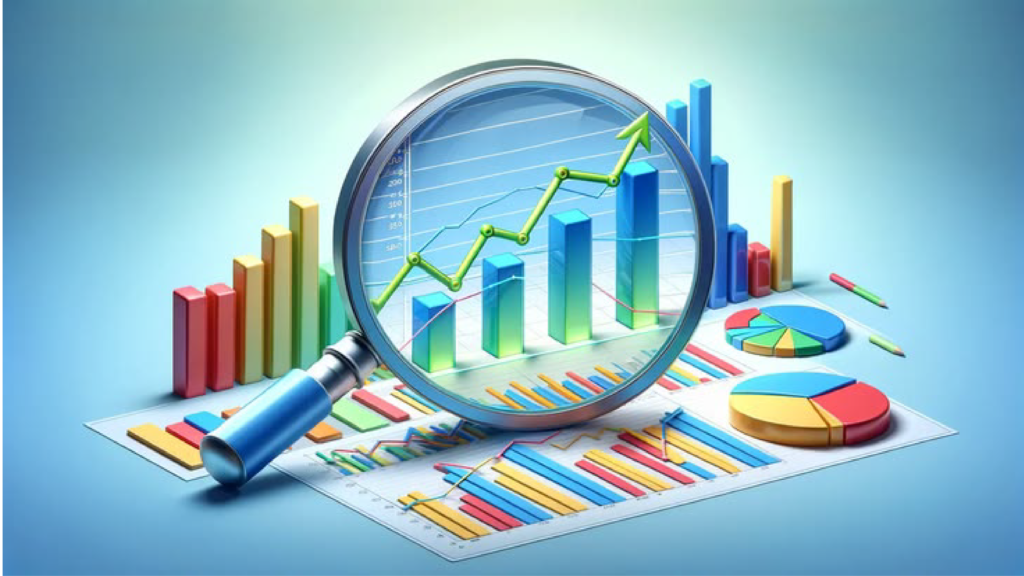
The online marketplace is evolving faster than ever before. As global internet traffic expands, relying solely on traditional promotional tactics is no longer enough to generate high-converting lead pipelines. Mastering modern digital marketing strategies has become an essential requirement for agency owners, content creators, ecommerce brands, and tech freelancers aiming to build sustainable online visibility.
In this comprehensive guide, we will break down the essential components of search engine optimization (SEO), content architecture, semantic search algorithms, and performance marketing to help you dominate search rankings in 2026.
Master Intent-Driven Keyword Research
Keyword research forms the foundation of every successful search engine optimization campaign. Search engines no longer evaluate keywords based purely on exact phrase repetitions; modern ranking algorithms prioritize search intent, contextual relevance, and topical authority.
To rank higher on modern search engine result pages (SERPs), categorize your search terms into distinct user intent groups:
- Informational Intent: Searchers seeking educational guides, technical answers, or structural industry breakdowns (e.g., “how to structure search queries”).
- Transactional Intent: Users actively looking to purchase digital products, services, or software solutions.
- Commercial Investigation: Searchers comparing features, reading service reviews, or evaluating pricing plans before committing.
Aligning your website content with exact search intent ensures lower bounce rates, higher dwell times, and superior organic conversion rates.
2. Build High-Converting Technical SEO Infrastructure
Great written content cannot rank effectively if your underlying web development framework is slow, broken, or improperly indexed by search engine crawlers. Technical SEO guarantees that search engines can discover, crawl, and render your site pages effortlessly.
Core technical factors to optimize include:
- Page Load Speed: Compress high-resolution media assets, eliminate render-blocking JavaScript, and utilize fast content delivery networks (CDNs).
- Mobile-First Responsive Architecture: Ensure that every layout renders seamlessly on mobile devices. If you are building custom application interfaces, follow modern coding principles outlined in our roadmap on how to become a web developer in 2026.
- Structured Data Schemas: Use JSON-LD schema markup to help search engine engines understand your articles, product catalogs, and author bios.

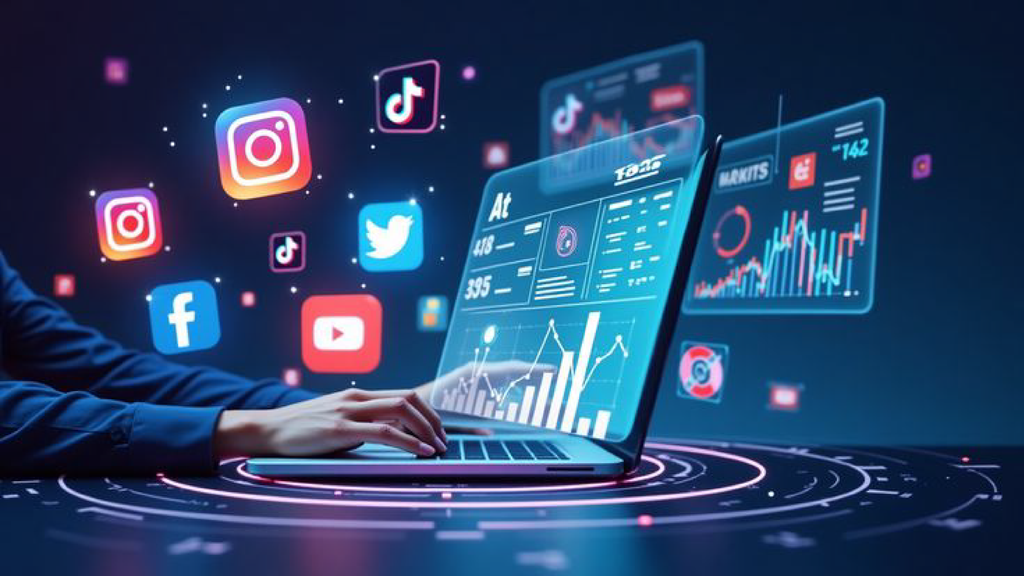
3. Leverage AI Automation in Content Production
Scaling a content library requires speed without sacrificing accuracy, brand tone, or original research. Incorporating specialized software into your editorial workflow allows digital marketers to produce long-form articles, meta tags, and visual assets faster than ever before.
Modern marketing teams leverage automated workflows to streamline operations. Utilizing specialized ai tools for productivity can significantly speed up content outline generation, keyword clustering, and visual graphic design.
- Keyword Clustering: Group thousands of long-tail search queries into core topical hubs automatically.
- Content Auditing: Detect structural readability flaws, missing semantic keywords, and broken internal links instantly.
- digital marketing strategies
4. Implement On-Page SEO and Content Structuring
On-page SEO involves optimizing individual web pages to rank higher and earn more relevant organic traffic. Proper page structuring helps search engines index your content accurately while keeping readers engaged.
- Optimized Headings (H1, H2, H3): Use clear heading hierarchies that incorporate your focus keywords naturally.
- Internal Linking Architecture: Link related articles together to distribute page authority and keep visitors exploring your site longer. To learn more about monetizeable tech paths, read our guide on top high-paying skills to learn in 2026.
- Descriptive Alt Text: Optimize all image upload files (JPG/PNG) with descriptive alternative text to capture image search traffic.
digital marketing strategies
5. Build Topical Authority with Content Hubs
Search algorithms reward sites that demonstrate deep expertise in specific domains. Instead of publishing unrelated posts, organize your website content using a pillar-cluster architecture.
- Pillar Pages: Create comprehensive, high-level guide articles that cover broad industry subjects thoroughly.
- Cluster Content: Write detailed sub-topic articles that focus on specific queries and link back directly to your main pillar page.
- Semantic Relevance: Use primary and secondary LSI keywords naturally throughout your paragraphs to build complete topical coverage.
6. Social Media Integration and Multi-Channel Promotion
digital marketing strategies
Organic search traffic is powerful, but diversifying your promotional channels accelerates brand growth and signals credibility to search engines.
- Social Distribution: Share article snippets, infographics, and short-form video summaries across platforms like LinkedIn, Facebook, and Twitter.
- Email Marketing Campaigns: Build a subscriber list to notify your loyal audience whenever new content or digital services launch.
- Link Building Strategy: Earn quality backlinks naturally by publishing original industry statistics, expert interviews, and high-value research guides.
7. Track Metrics and Performance Analytics
Executing digital marketing campaigns requires constant measurement and optimization. Monitor your site metrics using tools like Google Search Console and analytics dashboards to refine your strategy.
- Organic Impressions & CTR: Monitor search engine visibility and optimize meta titles to increase click-through rates.
- Bounce Rate & Time-on-Page: Measure user engagement levels to ensure your content delivers value to real readers.
- Conversion Rate Optimization (CRO): Test strategic call-to-action (CTA) buttons to convert organic traffic into paying clients or active subscribers.
Conclusion: Scale Your Digital Growth Today
Mastering modern digital marketing strategies is a continuous process of keyword research, technical website optimization, and strategic content creation. By aligning your articles with real user intent, optimizing on-page structure, and utilizing smart AI tools, you can establish lasting search engine dominance in 2026. Start optimizing your existing content today and take control of your organic traffic expansion!