

Audio is no longer just a secondary background element in digital media—it has become a primary driver of consumer engagement. In 2026, the convergence of hyper-realistic Voice AI and immersive Spatial Audio is enabling brands to build conversational, multi-dimensional connections with their target audiences across podcasts, dynamic ads, and smart ecosystems.
Voice AI and Spatial Audio Marketing Trends for 2026
Why Audio-First Marketing is Going Viral
With the rapid adoption of smart hearables and ambient voice assistants, users are consuming information on the go without looking at screens. Brands that leverage Voice AI can automatically generate personalized audio ads tailored to a listener’s location, preferences, and real-time context.
When combined with Spatial Audio—which creates a 360-degree soundscape—advertisements feel like realistic, interactive environments rather than intrusive commercial breaks.
Voice AI and Spatial Audio Marketing Trends for 2026

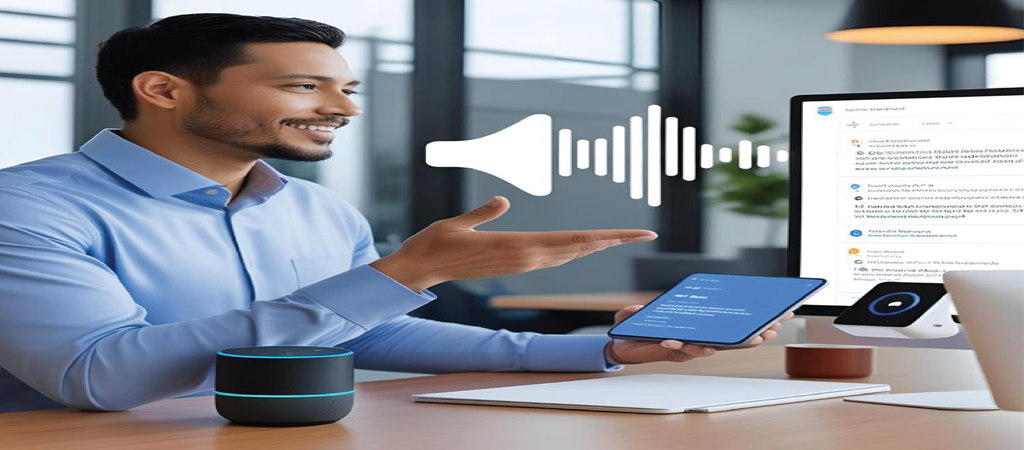
Strategic Advantages of Voice & Spatial Audio Integration
Hyper-Personalized Voice Agents: AI systems dynamically tailor commercial messaging using realistic tone, localized dialects, and personalized offers.
Voice AI and Spatial Audio Marketing 2026
360-Degree Brand Immersion: Spatial audio places the listener inside the sound environment, dramatically increasing emotional engagement and brand recall.
Voice AI and Spatial Audio Marketing 2026
Seamless Screenless Conversions: Voice-enabled ads allow consumers to make instant purchases or inquiries simply by responding verbally to their devices.
How to Optimize Your Brand for Audio Marketing Today Voice AI and Spatial Audio Marketing 2026
Develop an Audio Brand Identity: Define a distinct Sonic Logo and custom AI Voice Profile that represents your company across all voice platforms.
Optimize for Answer Engine Audio: Format website content into short, direct Q&A blocks to ensure voice search engines cite your site as a primary spoken answer.
Master Spatial Sound Mixing: Produce promotional video and audio content using multi-channel spatial sound formats to maximize playback quality on modern headphones.
Voice AI and Spatial Audio Marketing Trends for 2026
The Role of Generative Voice AI in Modern Brand Storytelling
The introduction of natural language processing and ultra-realistic text-to-speech synthesis has transformed how companies tell their stories. In traditional digital marketing, creating tailored audio campaigns required hiring multiple voice actors, booking studio time, and spending weeks in post-production. Today, Generative Voice AI eliminates these production bottlenecks by generating human-like audio content in seconds.
Marketers can now deploy localized voice campaigns across international markets effortlessly. By training custom AI voice models on a brand’s specific tone, businesses maintain a consistent sound across every customer touchpoint. Whether an interactive voice ad on a streaming app or a conversational customer support bot, voice consistency builds familiarity, trust, and strong emotional recognition among target audiences.
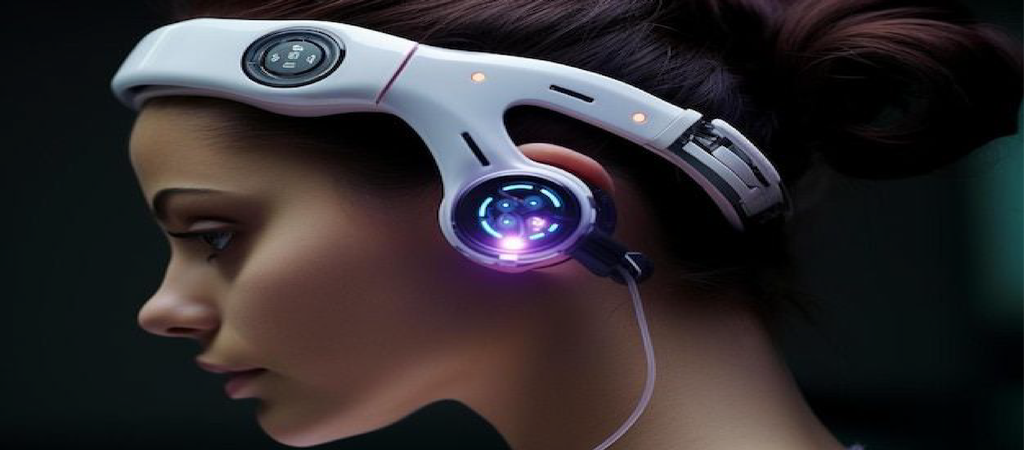
Technical Mechanics: How Spatial Audio Enhances Consu
To understand why Spatial Audio works so effectively, marketers must look at how the human brain processes sound. Traditional stereo sound moves audio only from the left to the right ear. In contrast, Spatial Audio uses advanced psychoacoustic algorithms to simulate sound origins from above, behind, and all around the listener.
Voice AI and Spatial Audio Marketing Trends for 2026
When a listener wears modern spatial-tracking headphones, the dynamic soundscape adjusts based on head movement. This creates a realistic virtual space where ambient noises, dialogue, and musical cues feel completely physical. For digital advertisers, this level of immersion dramatically increases attention span:
- Increased Spatial Recall: Audio cues positioned in a 3D environment leave a stronger memory footprint than standard audio.
- Higher Click-Through Rates: Interactive 3D soundscapes reduce ad fatigue, encouraging listeners to complete the entire interactive experience.
- Enhanced Spatial Storytelling: Brands can guide a listener’s physical focus toward specific product features simply by manipulating sound origin points.
Future Outlook: Voice Commerce and Ambient Computing in 2026
As smart home ecosystems, connected vehicles, and wearable hearables become ubiquitous, consumer shopping habits are transitioning from visual browsing to voice commerce. Consumers no longer want to navigate complex multi-page checkout forms on small phone screens; instead, they expect frictionless, hands-free transaction options.
By combining Voice AI with secure ambient authorization, users can seamlessly reorder products, purchase event tickets, or subscribe to premium services using natural conversational commands. Companies that optimize their web presence for voice engine discovery and spatial sound interfaces today will dominate the next decade of ambient digital commerce.
Voice AI and Spatial Audio Marketing Trends for 2026